


Tips for Successful Puppy Socialization

Updated: Mar 3
Welcoming a new puppy into your home is exciting, but it also comes with important responsibilities. One of the most critical steps in raising a well-adjusted dog is puppy socialization. Proper socialization helps your puppy grow into a confident, friendly, and well-behaved adult dog. Without it, puppies may develop fear, anxiety, or aggression toward unfamiliar people, animals, or environments. This blog offers practical tips to help you socialize your puppy effectively, ensuring a positive experience for both of you. Download Dr. Caryn's Puppy Socialization Checklist here https://bit.ly/PuppySocializationChecklist
Puppy Socialization Matters
Puppies go through a critical socialization period between about 3 and 14 weeks of age. During this time, they are especially open to new experiences. Positive exposure to different sights, sounds, smells, surfaces, people, and other animals helps them learn that the world is a safe place.
Without proper socialization, puppies may become fearful or reactive in new situations. This can lead to behavior problems that are harder to fix later in life. Early socialization builds your puppy’s confidence and helps prevent issues like:
Fear of strangers or other dogs
Aggression or excessive barking
Anxiety in new environments
Difficulty adapting to changes
When to Start Socializing Your Puppy
Start socializing your puppy as soon as you bring them home, usually around 8 weeks old. The earlier you begin, the better. However, always balance socialization with health precautions. Puppies should complete their initial vaccinations before extensive contact with unknown dogs or public places. This images above are of C. J., the puppy I'm currently raising for Service Dogs of Virginia.
Start with safe, controlled environments such as:
Meeting known, fully vaccinated dogs in a friend’s home
Introducing your puppy to family members and neighbors
Exploring your backyard or quiet parks
Using a stroller to expose your puppy to real world sights, sounds, people, animals
How to Socialize Your Puppy Successfully
Introduce New People Gradually
Expose your puppy to a variety of people, including men, women, children, and people wearing hats or glasses. Keep these meetings calm and positive. Let your puppy approach at their own pace and reward them with treats or praise for calm behavior.
Avoid forcing interactions. If your puppy seems scared, give them space and try again later.
Expose Your Puppy to Different Environments
Take your puppy to different places to experience new sights and sounds. Examples include:
Quiet streets and busy sidewalks in a stroller - avoid walking on streets and sidewalks until fully vaccinated.
Parks that are NOT frequented by other dogs, where puppy can walk on different surfaces like grass, gravel, or pavement - avoid hot/cold pavement in summer and winter...if you cannot walk on it barefoot, neither can your puppy. Also, avoid dog parks!
Pet-friendly stores or outdoor cafes, avoid pet stores and other places where unknown dogs frequent!
Keep outings short (5 minutes) at first and gradually increase duration as your puppy becomes more comfortable. If your puppy shows signs of fear, leave and try again later or from a greater distance.
Introduce Other Dogs Carefully
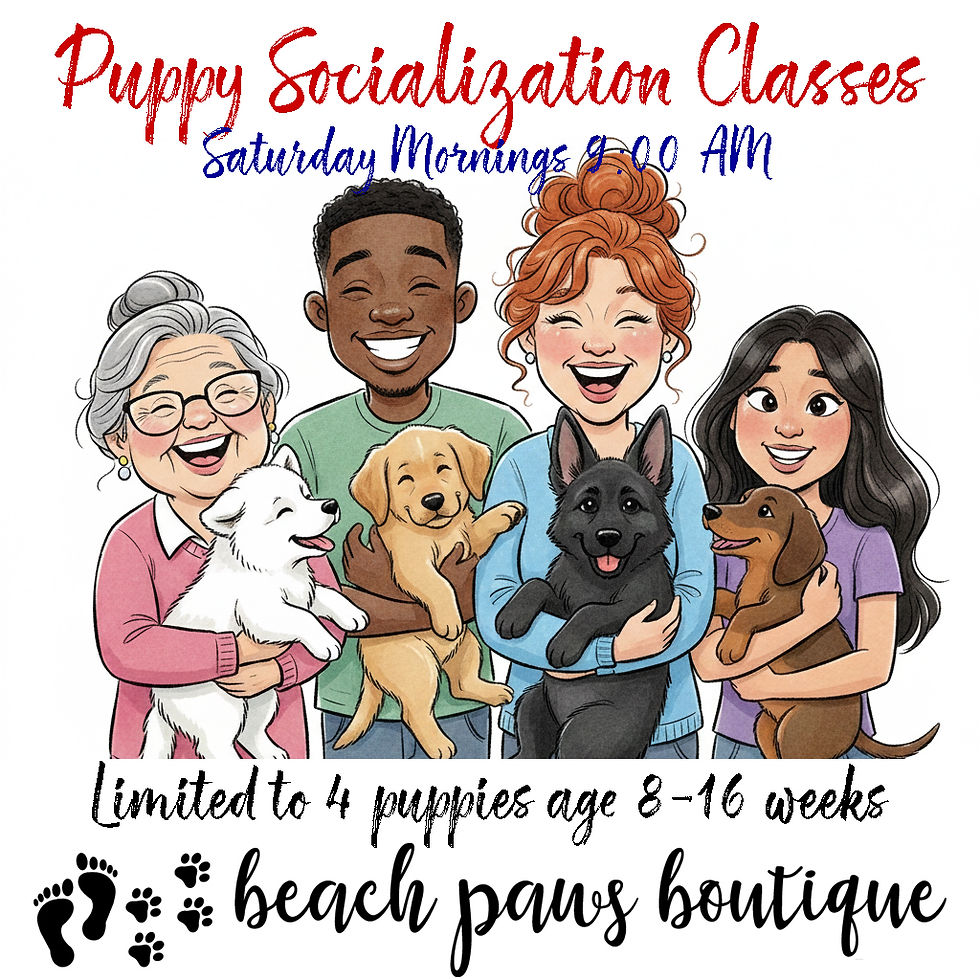
Meeting other dogs is important but requires caution. Arrange playdates with well-socialized, vaccinated dogs that have a calm temperament. Watch body language closely and separate dogs if play becomes too rough or one seems stressed.
Group puppy socialization classes can also provide a safe space for socialization under professional supervision.
Handle Your Puppy Often
Get your puppy used to being touched and handled. Gently touch their paws, ears, tail, and mouth regularly. This helps with vet visits, grooming, and nail trimming later on.
Make handling a positive experience by pairing it with treats and calm praise.
Use Positive Reinforcement
Reward your puppy with treats, toys, or affection whenever they respond well to new experiences. Positive reinforcement encourages your puppy to associate new things with good outcomes. Never push your puppy towards something they feel uncomfortable around...see Dr. Caryn's Puppy Socialization Checklist linked above for tips on reading your dog's emotional body language. Avoid punishment and corrections. These can create fear and damage trust.
Common Challenges and How to Overcome Them
Fear or Shyness
If your puppy shows fear, don’t push them too fast. Give them time to observe from a distance and gradually move closer. Use treats to encourage curiosity and confidence.
Overexcitement or Rough Play
Some puppies get overly excited during socialization. Teach basic commands like “sit” or “stay” to help them calm down. Redirect rough play with toys or breaks.
Health Concerns
Always check with your vet about the best time to start socialization based on your puppy’s vaccination schedule. Avoid high-risk areas like dog parks until your puppy is fully vaccinated.
Tips for Long-Term Socialization Success
Keep socialization ongoing beyond the puppy stage. Continue exposing your dog to new experiences throughout life.
Enroll in training or socialization classes to reinforce good behavior.
Be patient and consistent. Every puppy learns at their own pace.
Observe your dog’s body language to understand their comfort level.
Summary
Successful puppy socialization sets the foundation for a happy, confident dog. Start early, expose your puppy to a variety of people, places, and animals, and always use positive reinforcement. Handle your puppy gently and respect their limits to build trust. With patience and care, your puppy will grow into a well-rounded companion ready to enjoy the world.


Comments