


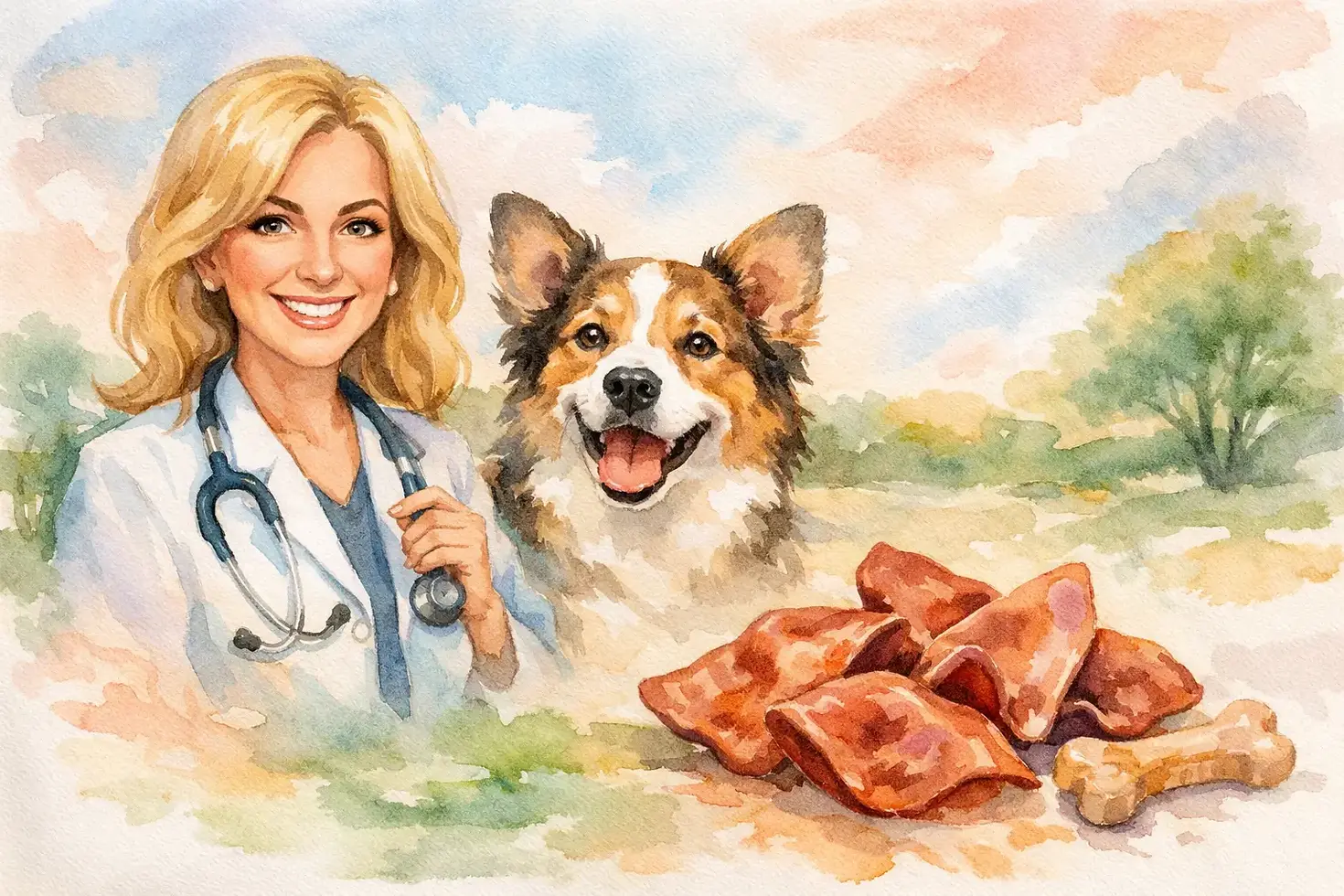
Are Pig Ears Good for Dogs? Benefits and Risks

A pig ear can keep a determined chewer busy long enough for you to finish dinner, answer an email, or simply enjoy a quiet cup of coffee. That convenience is why many dog owners keep them on hand. But are pig ears good for dogs in the bigger picture? The honest answer is: sometimes, for some dogs, with close supervision and sensible limits.
Pig ears are not automatically dangerous, and they are not automatically a healthy everyday treat. They are a rich, animal-based chew with real appeal for dogs, along with meaningful concerns involving calories, bacteria, swallowing hazards, and behavior around valued items. The right choice depends on your individual dog, not the picture on the package.
What Dogs Like About Pig Ears
Most pig ears are dried or dehydrated. Their smell, flavor, and chewy texture make them highly rewarding, especially for dogs who enjoy working on a longer-lasting treat. Chewing can also be a normal, satisfying activity. It gives many dogs an appropriate outlet for their jaws and can help them settle during a quiet period at home.
For some dogs, a pig ear is more engaging than a biscuit and less frustrating than a toy they cannot get their teeth into. That can make it useful as an occasional management tool - for example, when visitors arrive or when you need your dog occupied behind a gate while you prepare food.
Still, “keeps my dog busy” is not the same as “good for my dog.” A chew should fit your dog’s health, size, eating habits, and behavior history.
Are Pig Ears Good for Dogs Nutritionally?
Pig ears provide protein, but they are also typically high in fat and calories. That matters more than many owners realize. A large pig ear may represent a substantial portion of a small dog’s daily calorie needs. Even for a bigger dog, regularly adding rich chews on top of normal meals can contribute to unwanted weight gain.
The fat content can also be hard on sensitive stomachs. Dogs with a history of pancreatitis, digestive upset, food sensitivities, or a veterinarian-directed low-fat diet are usually poor candidates for pig ears. A dog who does well with one chew one week may still develop vomiting, diarrhea, or abdominal discomfort after another, particularly if the product is richer than expected or eaten quickly.
Puppies deserve extra caution. Their digestive systems can be sensitive, and they are still learning how to chew rather than gulp. Senior dogs may have dental disease, reduced digestive tolerance, or medical needs that make a rich chew less appropriate.
If your dog is healthy and your veterinarian has no concerns about fat intake, an occasional pig ear may fit into the treat budget. It should not become a daily habit or replace a balanced meal.
The Safety Concerns Owners Should Take Seriously
The biggest physical risk is not usually the ear itself while it is whole. Trouble often starts when a dog reaches the small, soggy final piece and tries to swallow it. A chunk can lodge in the throat, cause choking, or create a gastrointestinal blockage if it passes farther down. Dogs that gulp treats, shred chews rapidly, or guard food while eating are at higher risk.
Pig ears can also carry bacteria, including Salmonella. Drying does not guarantee that a product is free of contamination. This risk affects both dogs and people in the household, particularly young children, older adults, pregnant people, and anyone with a compromised immune system.
Good hygiene helps, although it cannot eliminate every risk. Wash your hands after handling the chew, do not let your dog carry it onto furniture or bedding, and clean any surface it touches. Throw the chew away if it becomes very small, heavily soiled, or has been left out for too long.
Avoid giving pig ears from questionable sources or treats with an unusually greasy appearance, a strong off odor, visible mold, or damaged packaging. A more expensive product is not automatically safer, but reputable sourcing and clear handling information are worthwhile signs.
Supervision Means More Than Being in the Same Room
A dog should be actively supervised with any edible chew. That means you are close enough to notice when the ear has become small, when your dog is trying to gulp it, or when another pet is approaching and raising the tension around the treat.
Choose a calm location with enough space between dogs. Do not hand out high-value chews in a crowded living room and assume everyone will politely mind their own business. Even dogs that normally share space well can become tense when something especially desirable appears.
If there are multiple dogs in the home, separation is often the simplest and safest option. Give each dog a chew in a crate, behind a closed door, or in a separate gated area, then pick up leftovers before dogs come back together. This is management, not punishment. It prevents a situation in which a dog feels pressured to defend food.
Pig Ears and Resource Guarding
Because pig ears are so valuable to many dogs, they can reveal or intensify resource guarding. Watch for a dog freezing, hovering over the chew, eating faster when someone passes, showing the whites of the eyes, growling, or snapping when approached. These are warnings that deserve respect.
Do not test your dog by taking the pig ear away. Reaching in, scolding a growl, or repeatedly removing prized items can teach a dog that people near food are a threat. The growl may disappear while the underlying discomfort remains, which can make a bite seem to come “out of nowhere.”
Instead, prevent access to high-value chews around people or animals your dog finds stressful. If your dog already guards food, toys, beds, or stolen objects, individualized behavior support can help you build safer routines and a thoughtful training plan. Resource guarding is common, and it is very workable, but it should be addressed with care rather than confrontation.
How to Decide Whether Your Dog Should Have One
Before offering a pig ear, consider four practical questions. Can your dog chew slowly instead of swallowing large pieces? Does your dog have a healthy weight and tolerate richer foods? Is there any history of pancreatitis, digestive trouble, or veterinarian-recommended dietary restriction? And can you supervise the entire chewing session in a quiet, separate space?
If the answer to any of those questions is no, choose something else. That does not mean your dog has to miss out on enrichment. A stuffed rubber food toy, a frozen meal portion in a durable toy, a veterinarian-approved dental chew, or a simple sniffing activity can provide satisfying occupation with a different risk profile.
For dogs who can have pig ears, start conservatively. Offer one only occasionally, watch how your dog chews, and pay attention to stool quality and appetite over the next day or two. Reduce regular meal calories if needed so treats do not quietly push your dog into a calorie surplus.
Can pig ears clean a dog’s teeth?
They may provide some scraping action while a dog chews, but pig ears are not a substitute for veterinary dental care or regular tooth brushing. They are also not risk-free for teeth. Powerful chewers can crack teeth on hard treats, while softer chews can still leave residue behind. Ask your veterinarian which dental options make sense for your dog’s mouth and chewing style.
How often can a dog have a pig ear?
There is no one schedule that fits every dog. For a healthy adult dog who handles them well, occasional is a better rule than daily. The frequency should account for your dog’s size, total calories, digestive history, and everything else they receive that week. A tiny dog may need only a portion, while some dogs are better served by skipping pig ears altogether.
The best chew is one your dog can enjoy safely without creating stomach trouble, weight concerns, household conflict, or a race to swallow the last piece. If a pig ear meets that standard for your dog, treat it as an occasional pleasure, stay nearby, and take it away before the final gulp becomes a problem.


Comments