


When to Hire a Dog Aggression Behavior Specialist
- Caryn Self Sullivan, PhD

- Jul 10
- 6 min read
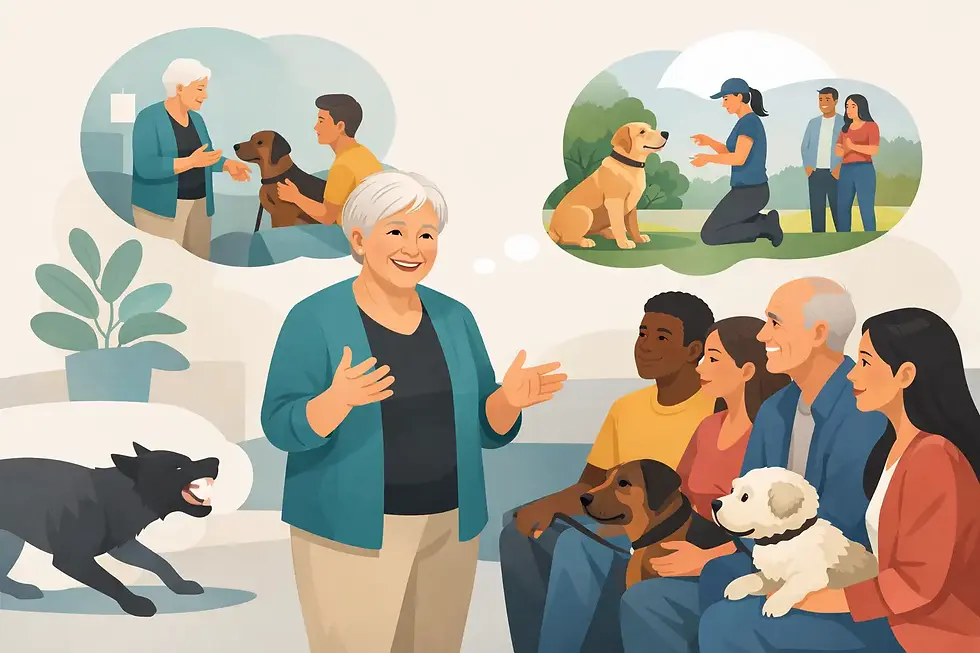
The first time a dog growls over a food bowl, lunges at a visitor, or snaps during handling, most owners freeze for a moment and ask the same question: Is this serious, or just a phase? When aggression enters daily life, guessing is risky. A dog aggression behavior specialist helps you sort out what the behavior means, what is driving it, and what needs to change to keep everyone safe.
Aggression is not a single problem with a single fix. It can grow out of fear, frustration, pain, resource guarding, territorial behavior, conflict around handling, or a long history of practicing reactions that worked for the dog. Two dogs can show the same outward behavior and need very different plans. That is why serious cases usually do not respond well to generic advice, quick corrections, or group-class level instruction alone.
What a dog aggression behavior specialist actually does
A qualified specialist looks beyond the visible moment - the bark, the lunge, the bite threat - and studies the pattern around it. Who is the dog reacting to? What happens right before it starts? How close is the trigger? What has the owner tried? Is there a medical issue that could be contributing? Those details matter because aggression is often predictable once you know how to read it.
This kind of work is part investigation, part coaching, and part behavior change. The goal is not to overpower the dog or suppress warning signs. The goal is to improve safety while changing the emotional and behavioral pattern underneath the aggression. In practical terms, that often means management in the short term and careful training over time.
For some households, the first priority is preventing another incident. Doors may need better routines. Walks may need a different route, distance, or equipment setup. Visitors may need a plan before they come inside. If a dog has already bitten, the process becomes even more structured because the stakes are higher.
Signs you need a dog aggression behavior specialist
Not every rude or overexcited behavior is aggression. Pulling on leash, jumping, barking for attention, and adolescent mouthiness can look alarming without being true aggressive intent. But there are situations where professional help should move up your list quickly.
If your dog has snapped, bitten, pinned another animal, guarded food or toys intensely, or shown repeated threatening behavior around people or dogs, that is not a wait-and-see situation. The same is true if your dog seems unpredictable, if the behavior is escalating, or if you find yourself constantly managing life to avoid an incident.
Families with children should take early warning signs seriously. A hard stare, freezing, hovering over possessions, growling during handling, or reacting when startled can all signal that the dog is not comfortable and may use aggression if pressure continues. Growling is useful communication. Punishing it can remove the warning while leaving the discomfort in place.
A specialist is also worth calling when previous training has not worked. Many owners have already tried obedience classes, online tips, advice from friends, or firmer handling. Sometimes those efforts help around the edges. Sometimes they make things worse because they address symptoms without identifying the cause.
Why aggression happens
Owners often worry that aggression means their dog is dominant, bad, or beyond help. In reality, aggressive behavior is usually functional from the dog's point of view. It creates distance, protects something valuable, stops unwanted contact, or expresses distress the dog does not know how to handle another way.
Fear is one of the most common drivers. A dog that barks and lunges may not be trying to control the world. That dog may be trying to keep a scary person or dog farther away. Resource guarding is another common pattern. The dog is not being spiteful. The dog is trying to hold onto food, resting space, toys, or even a favored person.
Pain and medical issues matter too. Dogs with orthopedic pain, skin discomfort, ear infections, dental pain, or neurological changes can become more irritable or defensive. That is one reason behavior cases often need coordination with a veterinarian. Good behavior work does not ignore the body.
Then there is learned history. If barking and lunging have made other dogs go away for six months, that behavior has been reinforced over and over. The dog is not choosing aggression because it is fun. The dog has learned that it works.
What treatment usually looks like
A thoughtful aggression plan starts with safety. That may include management at home, leash and barrier strategies, basket muzzle training, changes to feeding routines, or stricter control of greetings and handling. Management is not failure. It is what protects people and gives training a chance to work.
From there, behavior modification focuses on changing the dog's response to triggers and teaching more workable alternatives. This can include desensitization, counterconditioning, pattern work, impulse control, and handling exercises tailored to the exact situation. The process should be specific. A dog that guards the couch needs a different plan than a dog that reacts to men in baseball caps.
Owners are a central part of the treatment plan. That can feel overwhelming at first, but it is also good news. You do not need to become a behavior expert overnight. You do need clear coaching that fits your home, schedule, and actual triggers. Real progress often comes from small repeatable changes done consistently in everyday life.
This is one reason private coaching is so valuable in complex cases. Aggression rarely happens in a neat training hall under ideal conditions. It happens at the front door, in the kitchen, on neighborhood walks, in the car, at the vet, or when guests move too fast in a tight hallway. Training works better when it is built for those real places.
What to look for in a specialist
Experience matters, especially with cases that involve safety concerns. You want someone who can assess behavior carefully, explain risk honestly, and create a plan that is both humane and practical. Strong credentials help, but so does the ability to coach people without judgment.
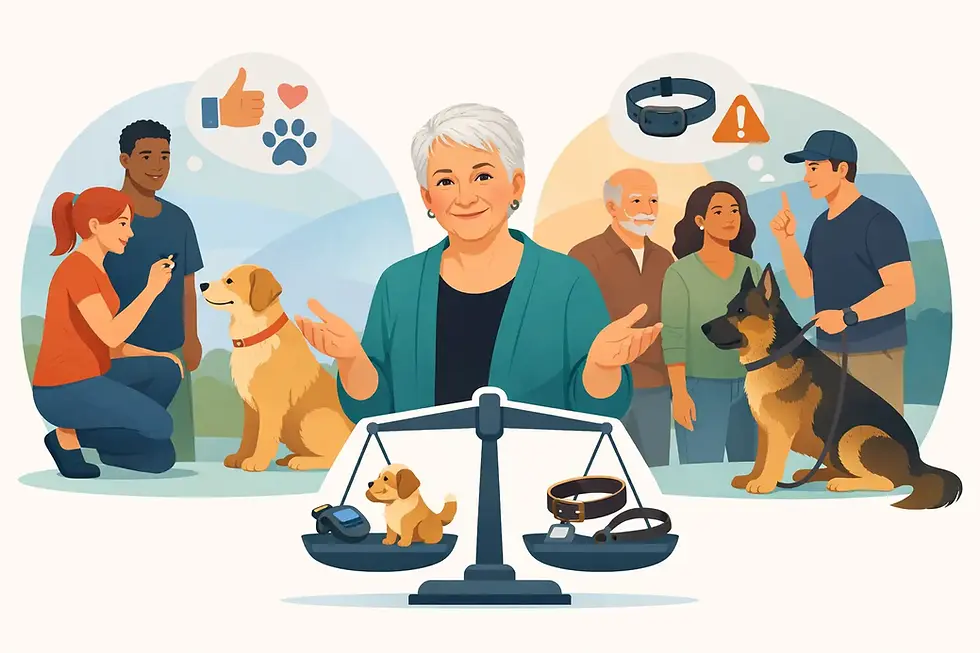
Ask how the specialist approaches aggression cases. Do they talk about body language, trigger thresholds, and management, or do they jump straight to punishment? Do they work with veterinarians when needed? Can they explain why they are recommending a method, not just what to do?
You should also expect realism. No ethical professional promises that every aggressive dog will become a dog-park dog or love every stranger. In some cases, the goal is full behavior change in a specific context. In others, the goal is safer management, lower stress, and a much more functional daily life. Those outcomes still matter deeply.
A good specialist will also respect the emotional side of the situation. Living with an aggressive dog can be exhausting, embarrassing, and frightening. Owners often feel guilt long before they ask for help. You need someone who can be direct about safety without making you feel blamed for every setback.
The sooner you act, the more options you usually have
Aggression tends to become more practiced with time. Every successful lunge, every tense standoff at the food bowl, every chaotic greeting at the door can strengthen the pattern. Early intervention does not guarantee an easy case, but it often improves the odds.
That does not mean older or more established cases cannot improve. They absolutely can. It does mean you should not wait for a bite to decide the behavior deserves expert attention. If your dog is showing warning signs now, that is enough reason to get a clear assessment.
For many families, one of the biggest reliefs is finally understanding what they are seeing. Once the behavior has a name, a pattern, and a plan, the situation often feels less chaotic. You stop reacting to every incident as a surprise and start working through it step by step.
If you are looking for help with a serious case, ask for a plan that fits your dog, your home, and your real-life routine. Good aggression work is not about forcing a dog into a mold. It is about building safety, trust, and better choices in the places that matter most. Sometimes the most meaningful progress starts with one honest conversation, one careful assessment, and one calmer day than the one before it.

Comments